
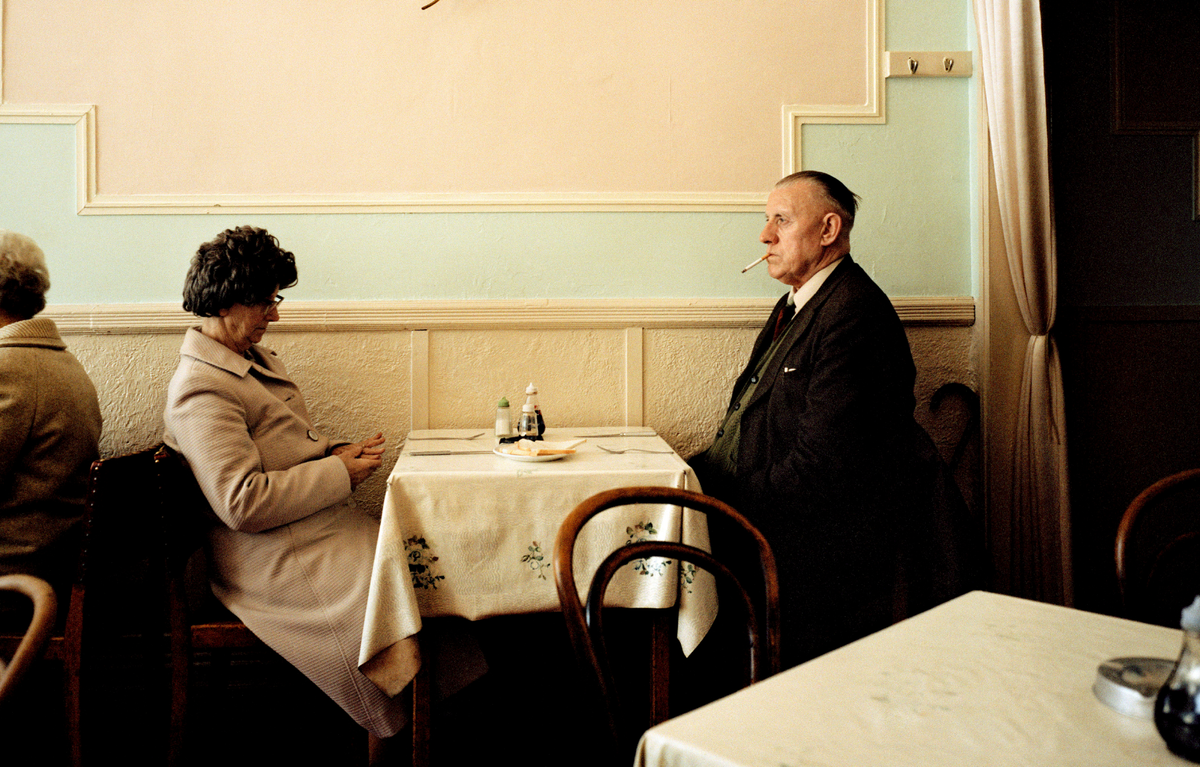
Martin Parr didn’t like being interviewed. He said so, bluntly, when I first emailed him a few months ago. “The market is already over-stoked with Martin Parr,” he replied.
I disagreed, and told him so. After a brief grumble, he relented. What followed was a conversation I’ll never forget.
It might sound odd to say that Martin’s photography partly inspired Dispatch. He produced images; we work in words. But he was more than a photographer — he was a documentarian, convinced there was no such thing as an ordinary place or an insignificant person. All you had to do was look and listen.
When we spoke a few weeks ago, I didn’t know he would be gone by the time this interview would be published. I’m not sure he did either. He mentioned his cancer, but he was also full of plans for the coming year.
Martin Parr died on Saturday. He is survived by his wife, Susan, his daughter, Ellen, and the countless photographers and reporters animated by his curiosity.
Below is a lightly edited transcript of our conversation.
Your first mature work, back in 1975, focused on the Yorkshire mill town of Hebden Bridge. It must have felt a world away from the Surrey suburbia where you grew up.
I don’t really think about it, to be honest. Obviously it’s more rural. But when I’m shooting somewhere, I just go. I’ve got other things to think about.
Like what?
Well, the people. And then my camera. They’re always the most important thing.
Register for free to read this article.