
The English Channel yawns out beyond Studland Bay, gulls suspended in the air as if pinned there, the breeze carrying a faintly medicinal tang of salt and sun-warmed scrub. It is, by any reasonable measure, an idyll: the kind of place that feels insulated from geopolitics and the slow churn of global anxiety.
And yet, somewhere between here and the Strait of Hormuz, tankers are being rerouted, prices are twitching, and Britain is being reminded, once again, how little control it really has over its own supply of oil.
This corner of Dorset should feel immune. To the south, the coastline falls away into the vast geological theatre of the Jurassic Coast; to the north, almost implausibly close, lies Sandbanks, that narrow spit of improbable wealth where glass-fronted houses line the shore like veneers. In the middle: shrubland, birdwatchers, and tourists queuing for ice cream.
And beneath them, oil.
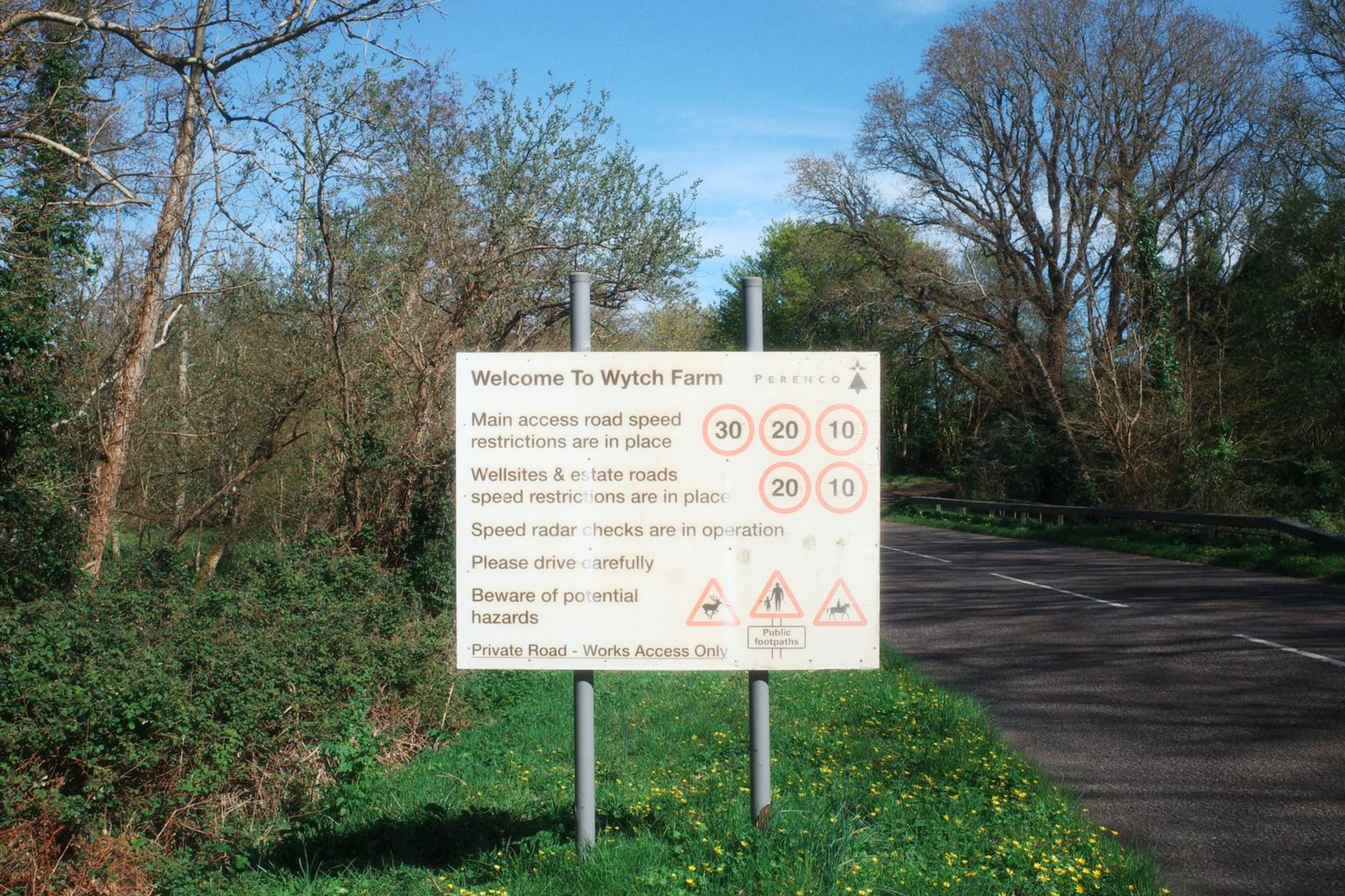
Britain’s relationship with onshore oil has always been an awkward one. We tend to imagine oil as an offshore enterprise: gruff riggers carried by helicopter to shuddering platforms in the North Sea. And that is, broadly, where most of it comes from. But scattered across the country are a handful of onshore sites, quietly plugging away, mostly here, along the Poole stretch of the south coast.
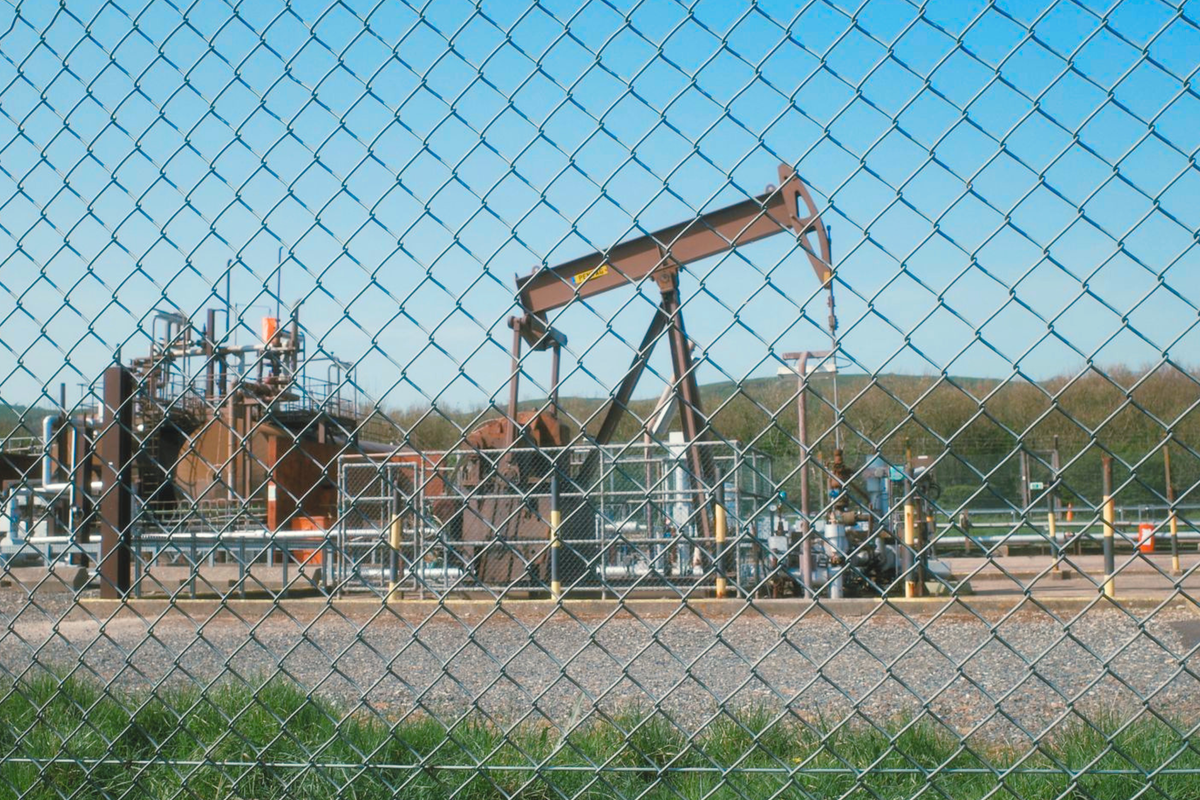
They are not, however, what you might expect. There is no Texan swagger, no mythology of wildcatters or frontier wealth, no sense of destiny fulfilled in black liquid form. Instead, there are nodding donkeys in fields and exploratory wells tucked behind hedgerows, half-hidden from the people living alongside them.
At Kimmeridge, a few miles along the coast, the image comes closest to cliché: a solitary derrick, bowing slowly and mechanically, drawing oil from rocks laid down hundreds of millions of years ago. It has been there since 1959. Originally expected to last 25 years, it continues to produce a stubborn dribble.
The presence of oil along this coastline has been known for centuries — the blackness seeping visibly from the cliffs — but for most of that time it remained a curiosity. It was only in the mid-twentieth century, as Britain began to think more seriously about its energy needs, that curiosity became something more purposeful. BP and the now-defunct British Gas Corporation carried out exploratory drilling: tentative at first, then increasingly brazen, until the scale of what lay beneath Dorset revealed itself in 1973.
This is not a paywall!
To read this rest of this article, register for free.