
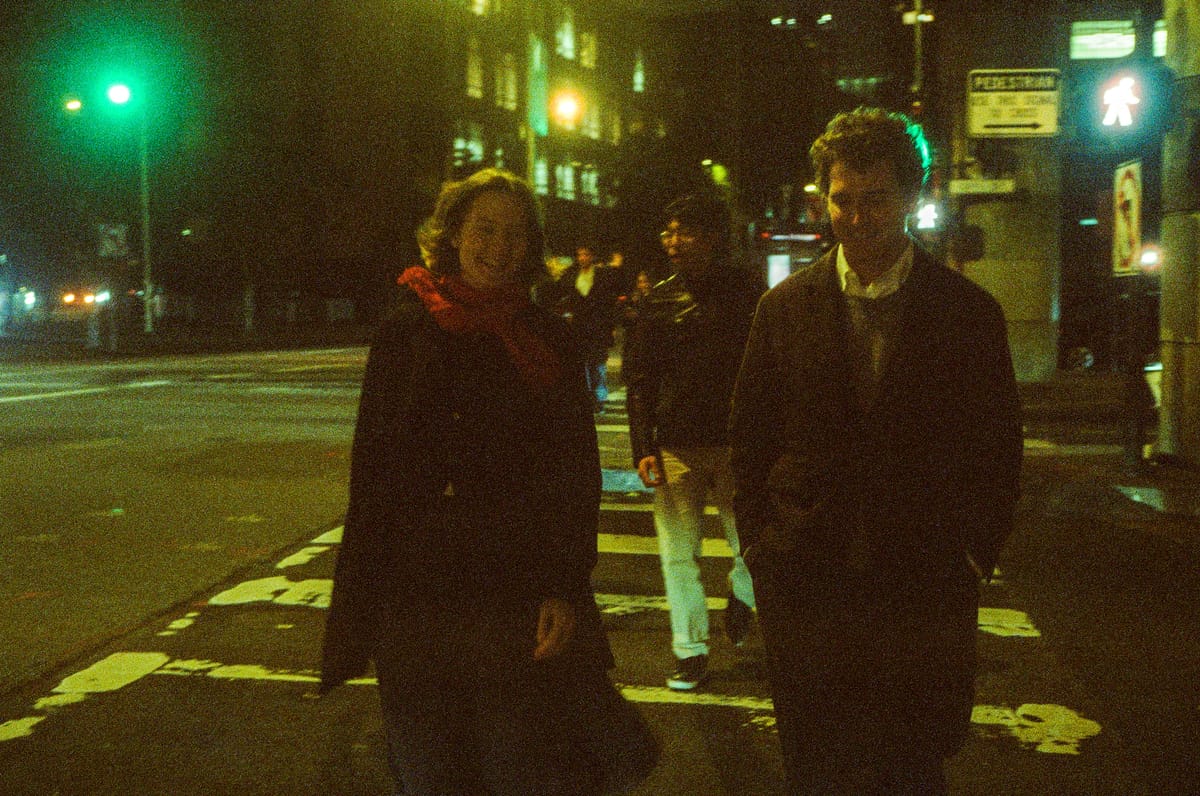
What is there to say about love in a city that went from inventing free love to popularising “996” — working nine to nine, six days a week? A city that built its reputation on accepting anyone from anywhere, but now averages $3,600 per month for a one-bedroom apartment?
This Valentine’s Day, San Francisco is either the most romantic place to be in the world or the least. To find out which, I investigated the lives of friends, former coworkers, and carefully overheard dive-bar first dates.
The good news: while the city's lifestyle is expensive and corporatised, young people here are as willing as ever to find true love — whether in dingy Beatnik bars, sunny verdant parks, or, increasingly, in Google Docs.
From the Gold Rush miners who left families behind to the Beatniks who rejected conventional relationships entirely, San Francisco has long been a place where people come to reinvent themselves, sometimes at the expense of connection. But while it is still a home for people interested in unconventional relationship arrangements like polyamory, the city’s workaholic culture is increasingly pushing people towards atomised and costly extremes.
Today, would-be young lovers pay $50 per month for Hinge to expedite their husband hunt, send date invitations from work calendars, and spend $350 on omakase for a standard dinner date. As the process of dating increasingly resembles hiring junior staff to your family company, one has to wonder if the magic of romance can still break through.
For starters, the dating market is particularly skewed in San Francisco. Single men outnumber women by 118 to 100, whereas cities like Chicago and New York City have relative parity. Throw in a large LGBTQ+ community, a thriving polyamorous scene, and a transient population constantly moving in and out for work, and you have a heterosexual dating ecosystem where the goods are odd, and the odds are challenging.
“Everyone in San Francisco is so corporate, and they’re always moving around,” says my friend Neha, a 27-year-old who works in advertising. “They live these super expansive lives that I don’t relate to, as someone who has lived in the East Bay for the last 15 years.”
Register for free to read this article.