
The village of Hope exists between two worlds. For centuries, it has sat among patchwork fields in a Peak District valley, nestled between the competitively named Win Hill and Lose Hill. Which best defines the area depends on whom you ask, though the answer will probably have something to do with the cement works — the country’s largest — that opened next door in 1929.
Since then, the rhythms of village life have been punctuated by the rumble of passing lorries and the occasional muffled blast from the quarry. The white vapour streaming from its blunt grey tower has long been accepted as part of the everyday landscape.
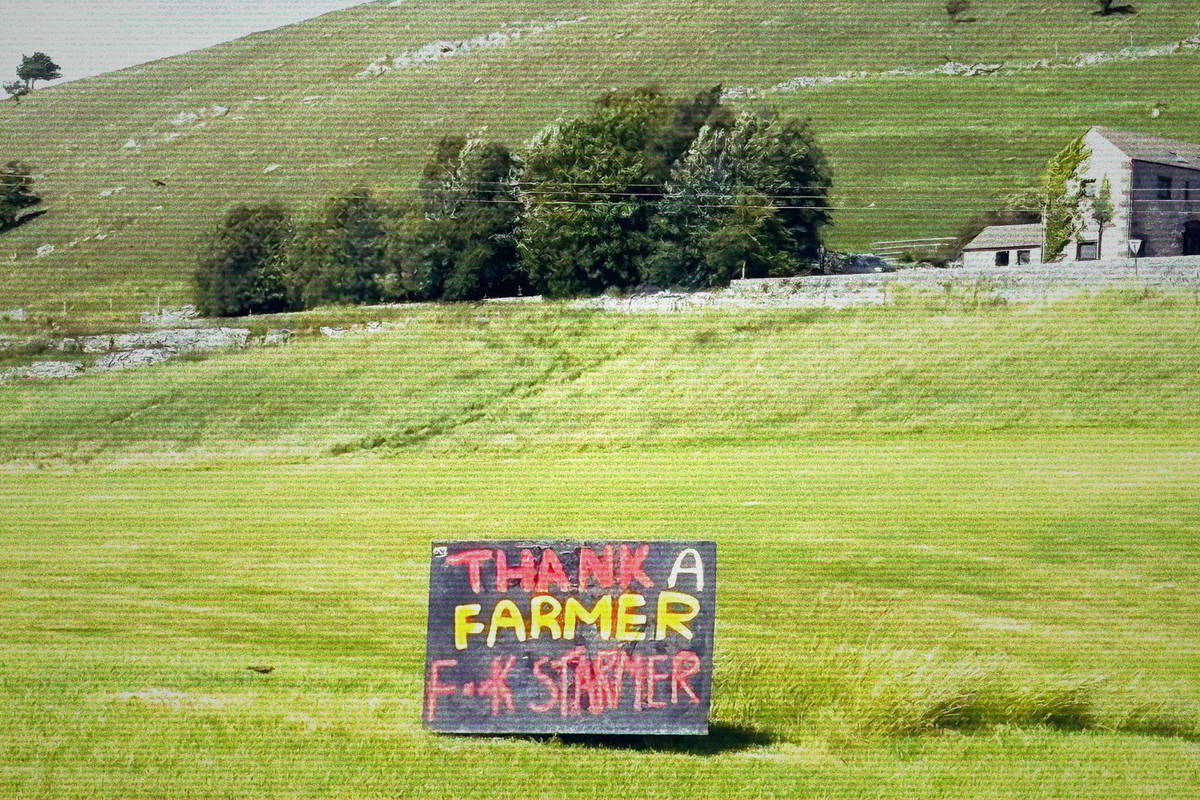
Now, though, a new development is taking shape, and most residents are quite certain it is not a win. If it is completed, Hope will become the starting point for an ambitious carbon-capture scheme: a long pipeline cutting through scenic stretches of Britain’s first national park, across ancient farms, over protected sites, and out under the Irish sea almost 70 miles away.
In an area long associated with protest, a new movement is beginning to stir, and it is forcing Britain to ask itself some awkward questions. What happens when the path to Net Zero runs through one of the places we claim to love most? And who gets a say?
The Peak District National Park would not exist without protest. On 24 April 1932, hundreds of men and women took part in the mass trespass onto Kinder Scout, an act that helped launch the right-to-roam campaign and, 75 years ago next month, the creation of the park itself.
Register for free to read this article.