I have a confession to make: I have a tangled relationship with al-Muhajiroun, the Islamist group that tried to create a caliphate in England.
On the one hand, I made a living, at least in part, covering their street theatrics. On the other, they used me. Even as I reported on them, I knew doing so would shape how people like me — and eventually my children — would be seen.
So, on the occasion of al-Muhajiroun’s 40th birthday, I cannot pretend to be a detached observer. It's a story that started in north London, metastasised in the Middle East, and is still playing out across the world today. It's also a story that has largely been forgotten.
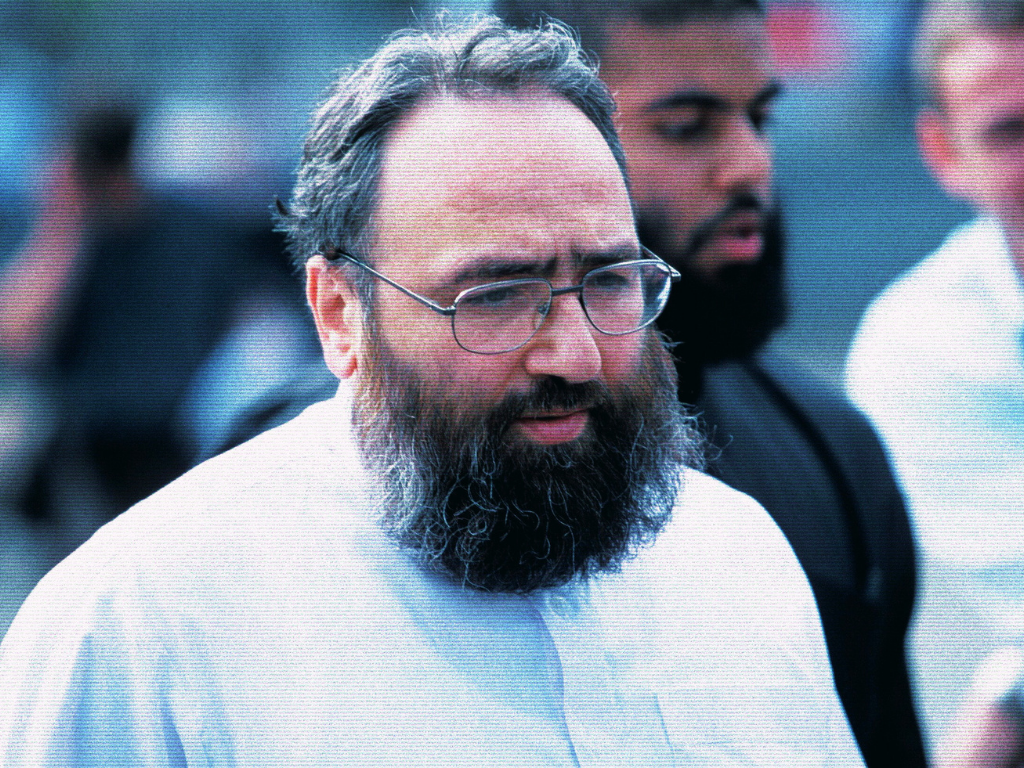
Some analysts trace the origins of al-Muhajiroun to Syria. And in one sense, that is true. Omar Bakri Mohammed, the group’s founder, was born in Aleppo.
But al-Muhajiroun was very much made in Britain. As a young man in Syria, Bakri joined the Muslim Brotherhood, before trading it for the far more extreme Hizb ut-Tahrir, an Islamist organisation whose sole aim still consists of imposing sharia across the world. Yet even by the group’s extreme standards, Bakri was an inflammatory figure.
For much his 20s and 30s, Bakri dotted about the Middle East, riling up almost every government in the region. In 1984, after being expelled from Saudi Arabia, he flew to London. The trip was only supposed to last a few weeks. But with multiple arrest warrants out for him in Syria and elsewhere, it was safer to stay put.
A decade later, after establishing himself as the capital's most provocative preacher, Bakri found himself pushed out of Hizb ut-Tahrir, a transnational Islamist organisation committed to imposing sharia across the world. He had called for the assassination of Prime Minister John Major, and predicted that Queen Elizabeth II would one day convert to Islam.
On 16 January 1996, in response to his expulsion, he gathered his most loyal followers in an unlikely setting: a red-brick council house on a quiet cul-de-sac in Tottenham, north London. At his side was his most devoted disciple, Anjem Choudary — of whom more later.
Standing in his living room, Bakri — then 38, softly spoken and slightly rotund — announced the creation of al-Muhajiroun. This, he insisted, was not to be just another Islamist group. A caliphate in England, he predicted, was just on the horizon.
For Bakri, al-Muhajiroun, was not to be just another Islamist group. Hizb ut-Tahrir, from which it had splintered, was ideological, hierarchical and self-consciously intellectual — perhaps even elitist. Founded in Lebanon in 1958, it obsessed over doctrine, structure and long-term strategy. Its activists were often engineers, doctors and graduates who believed history could be rebooted through patient persuasion, culminating, ideally, in a military coup.
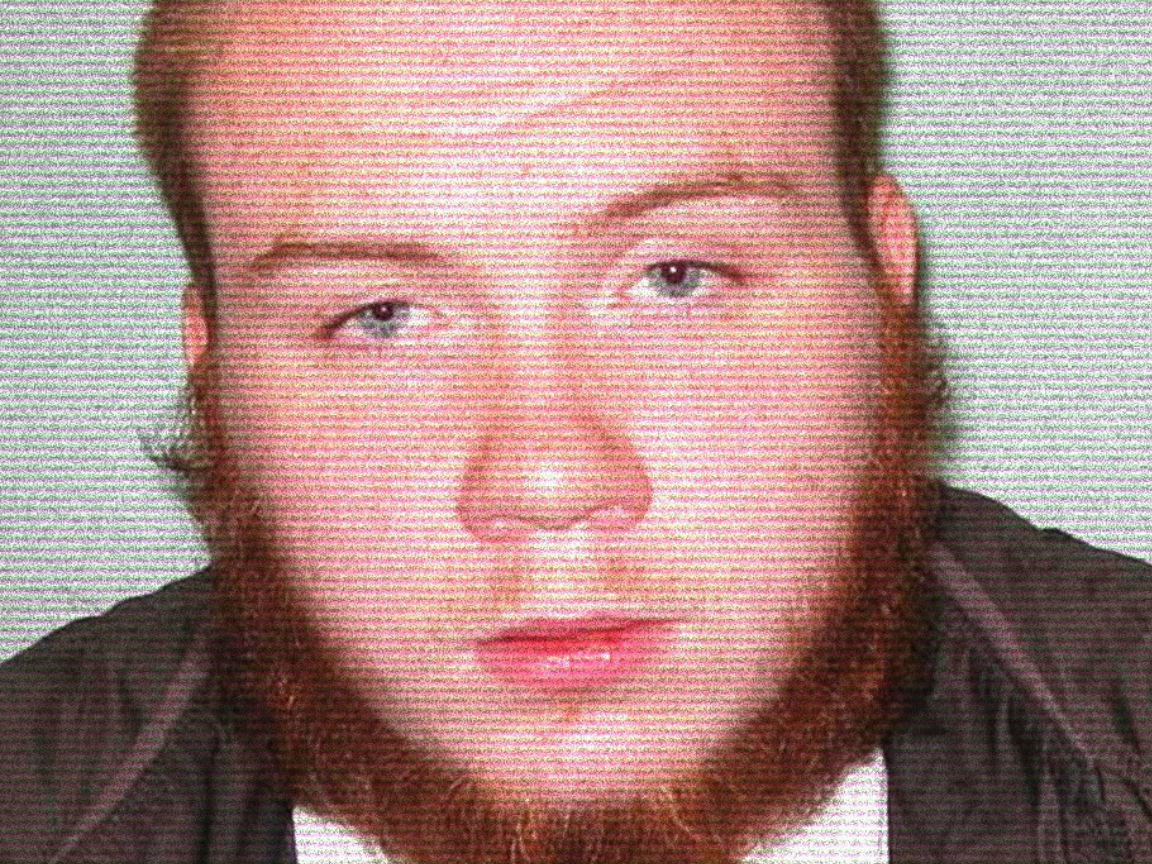
Al-Muhajiroun rejected this restraint. They wanted sharia now — and not in some distant Muslim-majority state, but in Britain itself, an idea that was virtually unheard of at the time. By 2014, this logic had produced the surreal spectacle of a ginger al-Muhajiroun activist conducting “Muslim patrols” in parts of east London, instructing non-Muslims to cover up.
In short, they preferred spectacle to theory, provocation to persuasion, and emotional mobilisation to ideological coherence. Where Hizb ut-Tahrir wanted to win arguments, al-Muhajiroun simply wanted attention.
They often reminded me of Barry in Chris Morris’s Four Lions, declaring his desire to “bomb the mosque, radicalise the moderates, bring it all on!”
Perhaps it says more about my own intellectual limits — or youthful gullibility — than anything else, but in the early 2000s, as a history undergraduate at Queen Mary University, I found myself being courted by Hizb ut-Tahrir. At the time, al-Muhajiroun were so marginal that few people paid them much attention. They were the noisy anti-intellectuals; Hizb were the serious ones.
Hello! Sorry to interrupt.
Reports like this demand weeks of research, writing and editing — and paid subscriptions are what make that possible. So to read the rest, you'll need to take one out.
We know it's a pain, which is why we keep as many stories free as possible. But as a small, independent outlet, we can't afford to do that all the time.
What we can do, however, is offer you a tasty discount: 75% off three months — that’s just £1.87 a month.
And if that’s still too much, get in touch. We don't want to exclude anyone.