
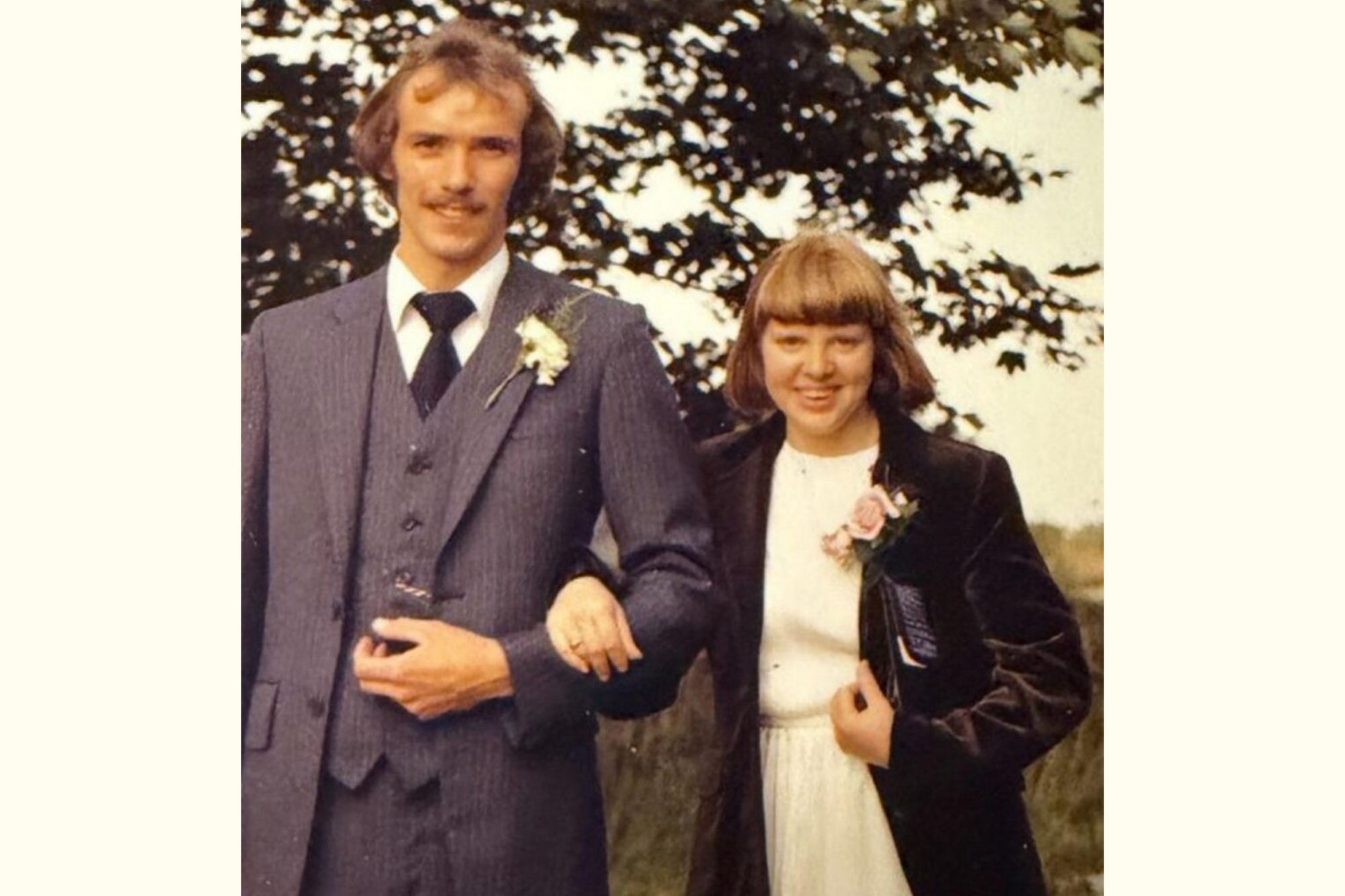
I never knew Valerie Brown. She had left Sheffield College a few years before I started working there, but plenty of my colleagues remember her. Val, as everyone called her, was a cleaner who liked to stop by the office for a chat.
One morning earlier this year, a colleague showed me an article in the Yorkshire Post. Val had died, aged 63. Her death had made the news because, in February 2025, she had been diagnosed with pleural mesothelioma, a rare and incurable cancer of the lining of the lungs. The only known cause is exposure to asbestos.
Asbestos tends to conjure up images of old men who spent their working lives in shipyards, factories and other heavy industries. Between the 1870s and the late 1990s, Britain imported more than six million tonnes of the material. Known for a time as the “magic mineral”, it found its way into everything from insulation and roofing to household appliances.
Its use peaked in the 1960s and 1970s, before declining as the dangers became impossible to ignore. Britain finally banned asbestos in 1999, but the ban had an unintended consequence: it encouraged the comforting idea that the problem had been dealt with.
It hadn't. In 2004, the New Labour government introduced a legal duty for those responsible for buildings to identify and safely manage any asbestos they contained. But there was no coordinated programme to remove it. Millions of tonnes remain in Britain's buildings, much of it now decades old and deteriorating. When disturbed or damaged, asbestos-containing materials can release microscopic fibres into the air, invisible to the people breathing them in.
Valerie Brown had never worked in a shipyard or an asbestos factory. She spent her working life cleaning, apart from a spell as a hospital cook in the late 1970s. Yet she belonged to a less familiar group of people developing asbestos-related diseases: those who never knowingly worked with the material at all.
Some are tradespeople — carpenters, electricians, demolition workers — who disturb asbestos in the course of their work. Others are cleaners, teachers, nurses and office workers, exposed simply by spending their days inside buildings that contain it. Schools and hospitals are a particular concern.
Just as troubling, though less discussed, is the death toll. Officially, asbestos kills around 5,000 people in Britain each year. However, according to several experts I spoke to, the true figure could be more than four times higher.
Mesothelioma is an aggressive cancer, made all the more deadly by how difficult it is to detect. Tumours form in the thin linings of the chest and abdomen, often going unnoticed until the disease is well advanced. Treatments are limited, and most patients die within a year of diagnosis.
This is not a paywall!
To read this rest of this article, register for free.