
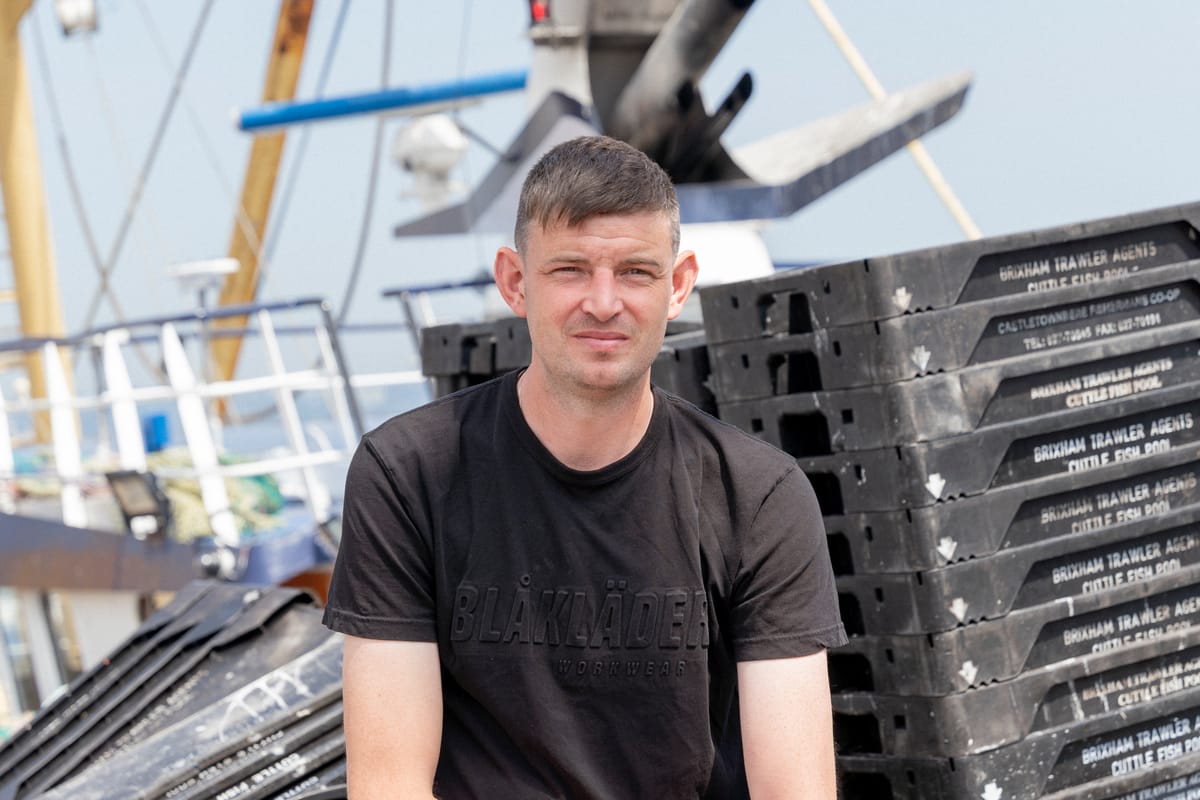
In the summer of 2019, Boris Johnson arrived in Brixham bearing ice creams and promises.
By then, Britain's fishermen had become the unlikely folk heroes of Brexit, their boats and harbours freighted with all the emotionally charged language of taking back control. Johnson toured the fish market, posed for photographs with local figures, and emerged from the Rockfish restaurant clutching hake and chips, grinning like a chimpanzee.
He declared to the assembled crowd that Britain would once again become an independent coastal state. British boats would land British fish in British ports. It would mean a rebirth for coastal communities which, for decades, had seen their fleets diminish and their sons leave. The south Devon port, which voted to leave the EU in 2016, responded with a hearty applause.
A decade on from the referendum, the question hanging over Brixham is not whether its harbour survived Brexit. It is whether the promised revolution ever really arrived.
Brixham’s harbour is as picturesque as anywhere in England. A confection of pastel-painted cottages tumble down steep hillsides towards the water, their fishermen's lofts and net stores long since transformed into holiday lets with names like Lobster Pot Cottage and Captain's View. In summer, paddleboards and pleasure boats bob beside the marina. Tourists sit scoffing ice creams on the quayside where trawlermen once repaired their nets.
Fishing built Brixham. It was Brixham men who pioneered deep-sea trawling in the nineteenth century, taking their distinctive sailing trawlers around the coast and helping establish fleets elsewhere in Britain. In 1866, an easterly gale destroyed almost the entire fleet and killed scores of men, yet the town rebuilt itself. It remained one of Britain's great fishing ports through much of the twentieth century, reaching its peak, as so many commercial fleets did, during the decades following the war.
This is not a paywall!
To read this rest of this article, register for free.