
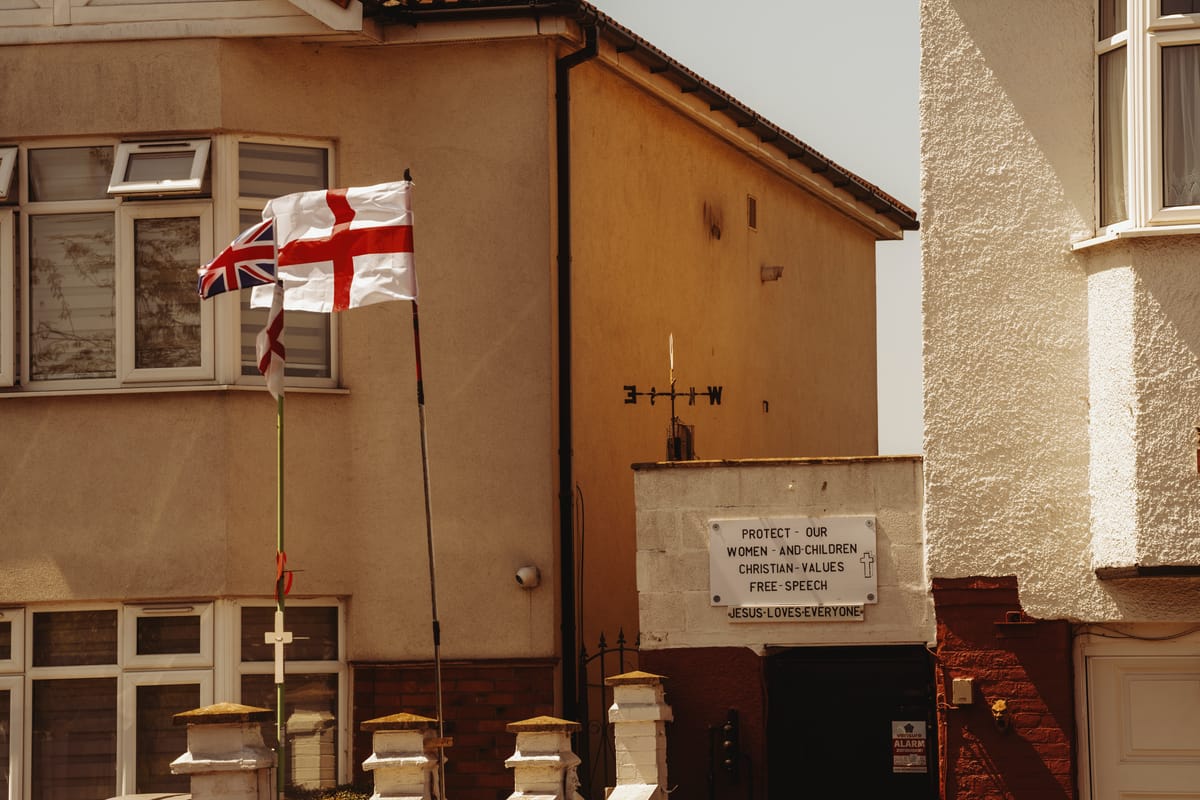
The circus, as ever, had landed. It always does. It has come to Chingford in cycles for as long as this stretch of the London-Essex border has been turning out footballers, and it arrived this year with a particular intensity — partly because the England side keeps edging closer to glory, and partly because sports media, with its ever-thickening cross-pollinations of gambling, advertising and that weightless noun content, is about the only medium still in the ascendant.
Every day before the Argentina game there would be a fresh crop of “us lot” on the paths: camera crews and notebook-carriers, quartering the streets for a vox pop, a homespun line, some nugget we might later enhance with capital-M Meaning. On the day we arrived — Ben lugging a comically oversized flashbulb camera, me trailing with the questions of a nosy DCI — we were just another pair, and everyone knew it.
Three days later, it would all be over.
We had come on a Sunday, mere hours after Jude’s heroics against Norway: our first mistake. Sunday was the day of rest, and we were interrupting it: a normalcy we were not really meant to have reached. Maybe on the Monday, or the Tuesday, they'd have indulged us. But this was the last day of calm Chingford would know before the semi-final. It was a day for a kids' kickabout, a bit of gentle cricket, a low grumble in the boozer about Tuchel's man-management — not another interview about whether Beckham still puts money behind the bar or Kane still stops in for a roast.
Were we not hungover, like everyone else? I was; it had been my thirtieth the day before. We’d simply picked the wrong morning to go panning for the gold in the water.
Because that is the promise of the place, and the reason the crews keep coming back. Two boys from the same few streets grew up to captain England. They were born in the same hospital, Whipps Cross, 18 years and one maternity wing apart: “Sir” David Beckham in May 1975, Harry Kane in July 1993. They were made at the same boys' club, Ridgeway Rovers, and they went to the same state school — though under different names, given the various educational reforms of their lifetimes. It is the only school on earth to have produced two England captains; certainly the only one to have done it out of the same hospital and the same under-eights. Put like that, it sounds like a ley line, England’s sporting destiny radiating out from below the earth. Spend a day walking it and the truth emerges, more mundane than you’d think — and the mundanity, it turns out, is everything.
We started where the football is, at the Peter May Sports Centre, named not for a footballer but for the legendary Surrey and England cricket captain. It is where Kane's statue sits: a £7,200 council commission by the sculptor Peter Moulton, unveiled in November 2024 after four years in storage and a couple of rejected homes, at Chingford station and at Ridgeway Park, before it settled here in front of a 20-metre mural to everything he has won. With disarming ease, the centre manager waved us through with a whistle-stop tour; if you've seen the inside of one leisure centre you've seen this one, so we made for the pitches, where Ryan FC were playing at two age groups in the flat morning heat.
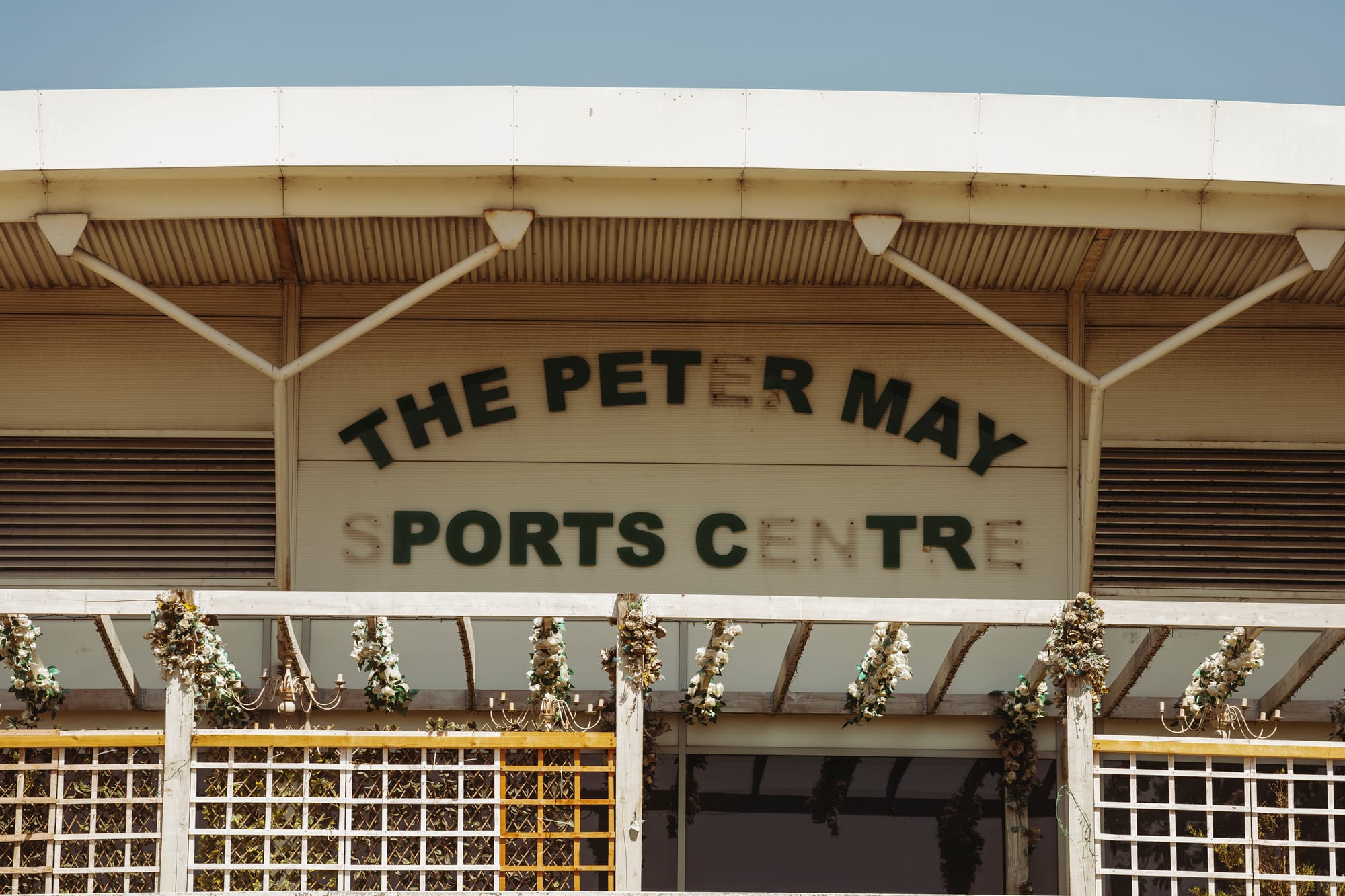
Ryan FC are the area’s dominant youth side, with a stellar reputation and some notable coaching assistants; lilliputian goal-getter Dwight Gayle for one, though on weekends, he prefers to watch as one of the parents. Their soccer school is run by Dave Bricknell, Harry Kane's first coach, who joined the club 15 years ago and now oversees 36 teams from the under-sixes to the veterans, with a Sunday school that pulls in more than a hundred boys and girls and a trophy cabinet 21 London Cups deep.
On the touchline the parents were fully absorbed — "Hayds! Go on, Hayds! Hayden, that's it, get him, Hayds!" — and had no interest in breaking from the action to talk to a stranger with a dictaphone. Fair enough; the game was end to end, and they'd hauled themselves out into this furnace on the strength of Bellingham's late clincher the night before.
This is not a paywall!
To read this rest of this article, register for free.