
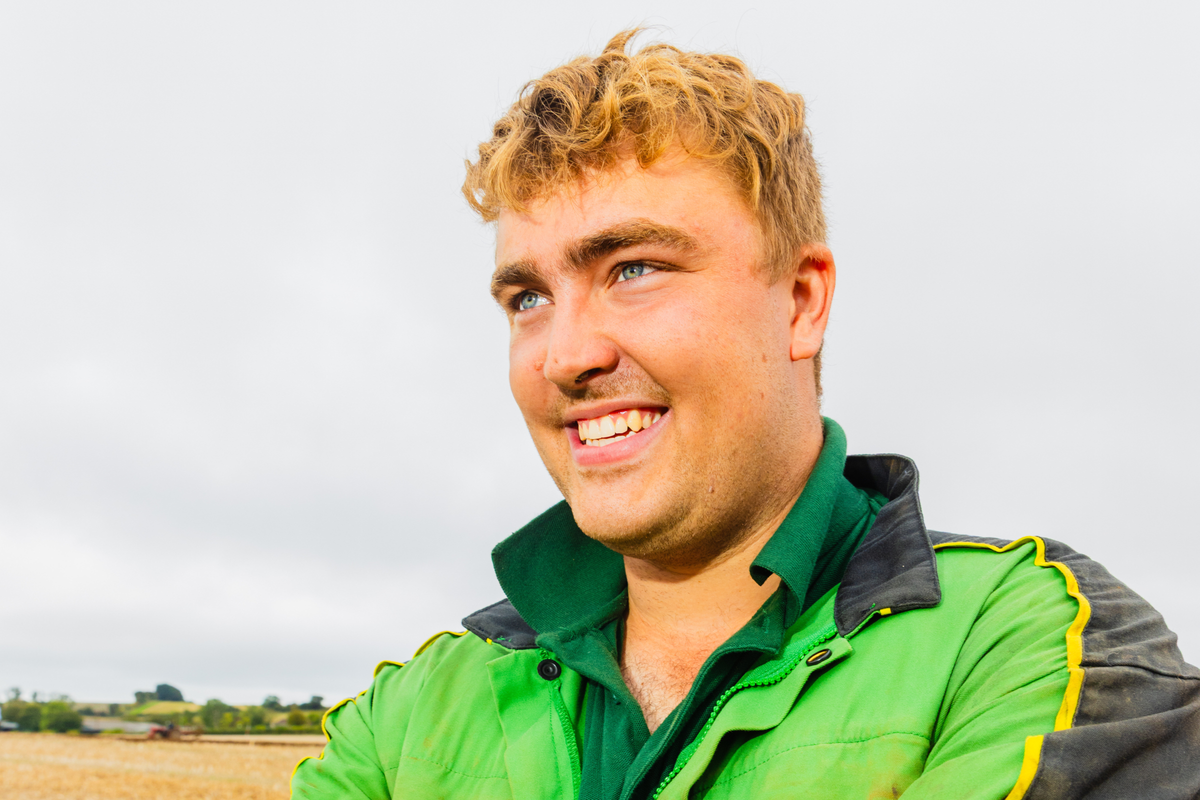
“He’s young, he’s 17, and all he wants to do is drive a tractor,” says Andrew Tory. His son, Arthur, is a few metres away in a blue vintage Ford tractor, completely absorbed by his current task: ploughing.
I arrive at Puddletown’s Young Farmers Ploughing Competition on the second Sunday of September. It’s a drizzly day, the sky a grey blanket. We pull into the field on Heaves Farm at around 8.30am, and I wish I could pull the sky over my head and go back to last night’s sun-kissed dream. But here I am, raincoat on, at the foot of a farmer’s field that is empty but for a small gazebo selling bacon sandwiches, watching farmers plough.
Arthur has had his tractor, which he drives as a hobby, for less than four months. It’s kitted out with a plough that hasn’t been used for 50 years. His dad, Andrew, was once the chairman of the National Federation of Young Farmers' Clubs (NFYFC), and his grandfather was president of the Blandford branch, so farming is certainly in the family, and Arthur is certainly into it. Today’s his first competition and, later on, I hear him talking in precise detail about a “Waterloo engine”.
Yet, curiously, Andrew admits he’s trying to steer his son away from the profession. “We want him to do something around it, because agriculture is not paid brilliantly,” he says. “We don’t want him to get stuck.”
A recent report by the NFYFC revealed that just 5% of farmers in England are under 35. The average farmer in England is now over 59, with more than a third aged over 65, and there are fears the industry will struggle to replace an ageing workforce. From the outside looking in, it's no wonder: farmers’ pay, according to the Food, Farming and Countryside Commission, has remained stagnant since the 1970s, farmers work an average of 65 hours a week and, increasingly, it’s all for nothing, with extreme and unpredictable weather leaving some farms economically unviable.
Next to Arthur, 18-year-old Nathaniel, driving another blue Ford 3000, is painstakingly setting up his line, stopping, starting, adjusting. Hunched forward with concentration. It’s all very precise.
“I like to be in things to win them,” Nathaniel tells me. He’s wearing dark, rectangular sunglasses and a Guinness-branded polo shirt under a black Harrington jacket, and he’s smoking a passionfruit vape. It’s only his third competition, but clearly he’s a perfectionist.
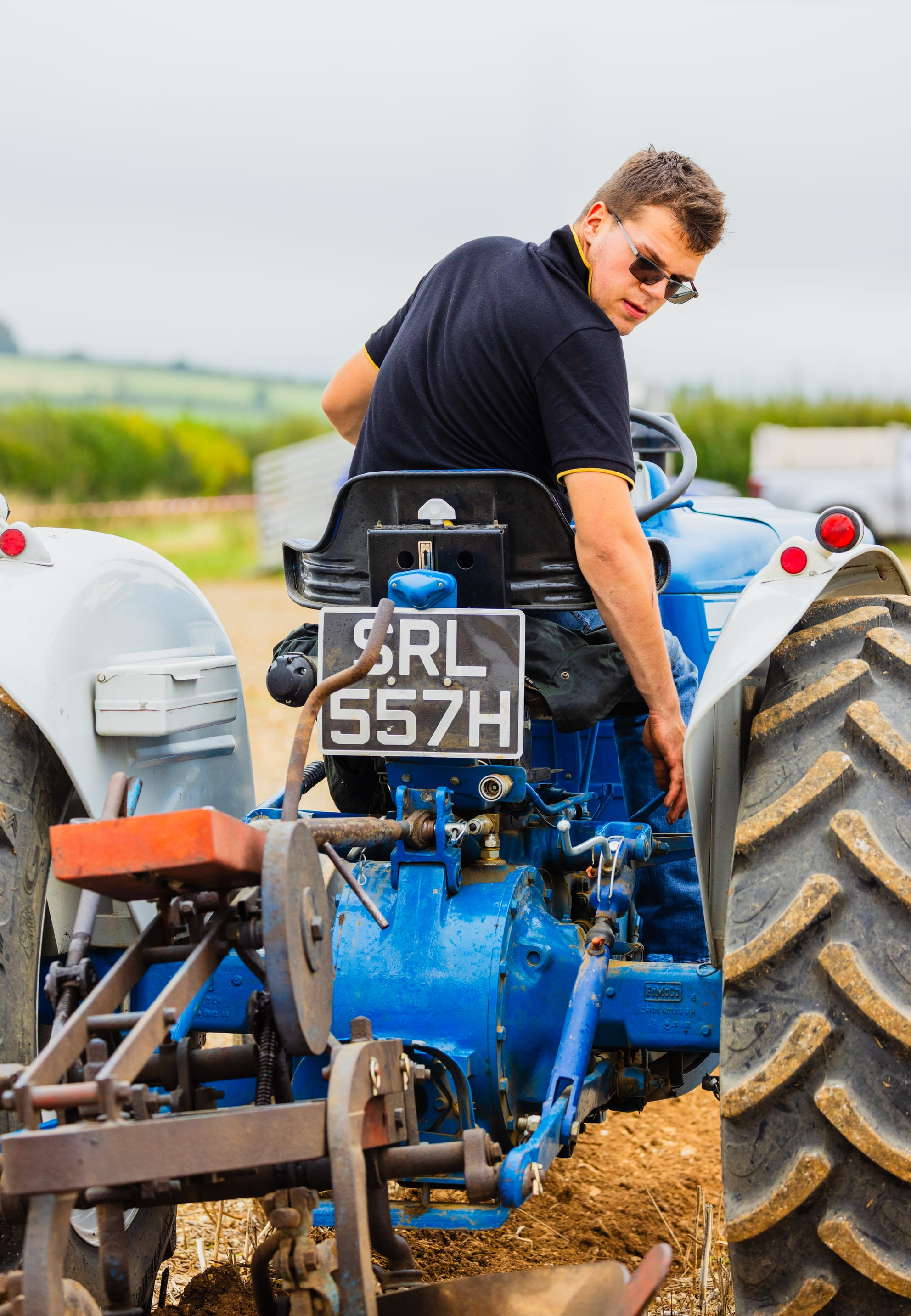
“You've got to make a living at the end of the day,” Nathaniel says, explaining how his family was forced to give up farming in 2021. They had a council farm — owned by the local authority but leased out — and found themselves at a crossroads: “It was either get bigger or close, and the money wasn’t there to get bigger, so we closed and moved into rented accommodation,” he says.
He would have been a fifth-generation farmer and the second on the council farm — and he would have stayed on the farm if it had been possible. “But at the same time, it's probably better out than we are in,” he says. He’s determined to stay in agriculture and has decided to go into agricultural engineering. He reckons that’s him for the long haul.
Here on the field, watching young men agonise over turned soil, it’s hard to imagine a young person who isn’t interested in ploughing, let alone farming. In Dorchester and the surrounding villages, agriculture runs deep. Surrounded by the rolling farmland of west Dorset, where farming has been part of the local economy and identity for centuries, this part of England has a rich agricultural history, including the trying of the Tolpuddle Martyrs in Dorchester's Shire Hall.
But Dorset is under particular pressures: this year’s heatwave increased the spread of the bluetongue virus (BTV). Meanwhile, its rural areas face large losses of agricultural land to housing developments and green-energy projects.
Today’s competition has been organised by the local Puddletown Young Farmers group, which currently has more than 60 members. The idea is to bring together young people with an interest in agriculture and rural life — not necessarily just farmers. They host community events, like this ploughing match, and raise money for charities and other local causes.
All but one of the Young Farmers I speak to at the competition work in agriculture. Megan Barnes, 23, is one of only two members of staff on the farm where she works. “Within the last couple of years, profits have gone down and the weather’s changed so we’ve had harder harvests,” she says. “This year, the harvest’s not been great, so we've got less money in and the profits just aren’t there to hire anybody else, but it would be a lot easier if he did.”
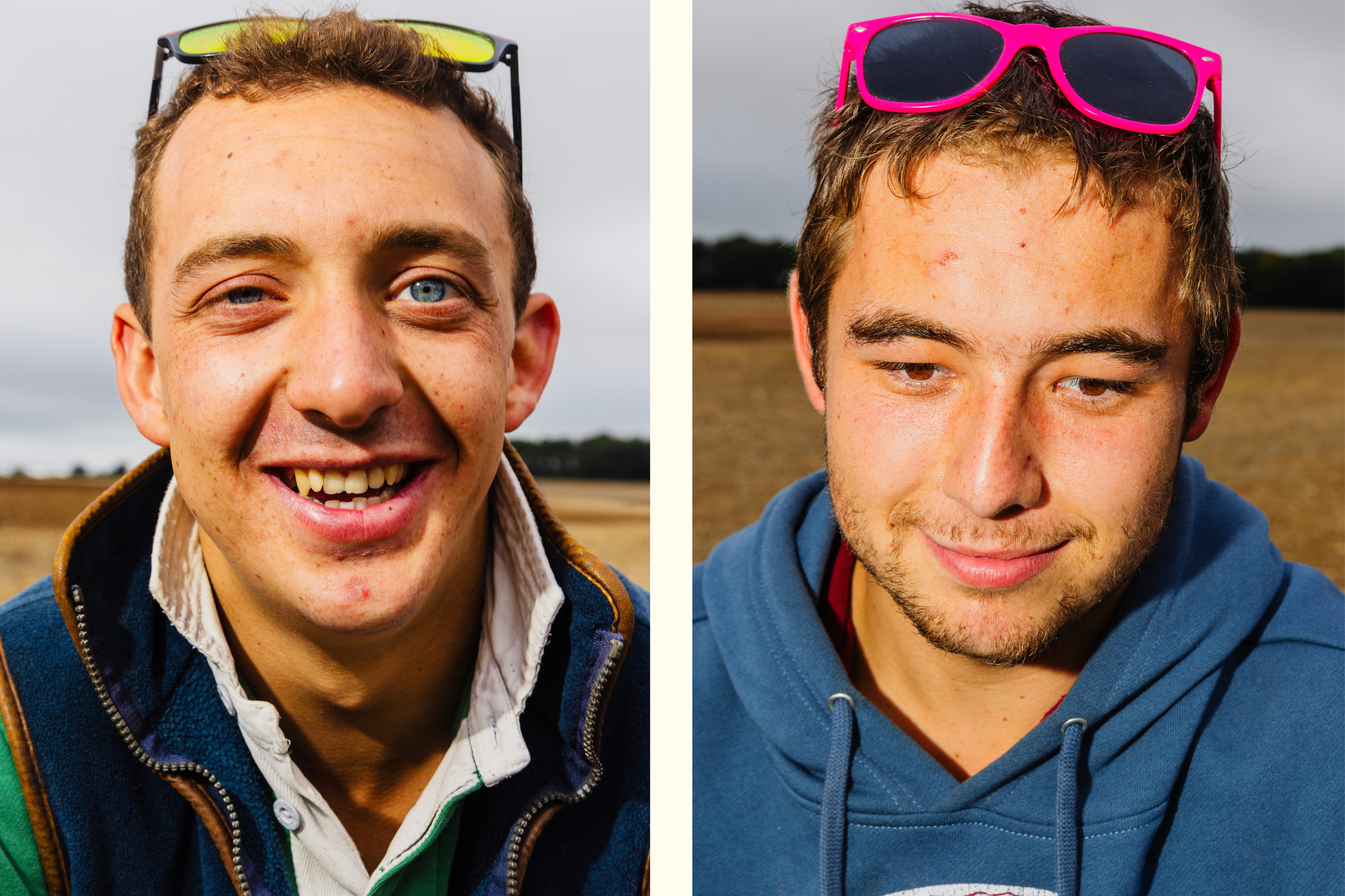
Tristan Hayter, 21, works on his family’s farm, which has a few cow herds and supplies other farms with hay and feed for animals. He’ll eventually take over the farm and says he doesn’t know what he’d have done otherwise — but also that it seems “the government are doing everything they can to get rid of” farmers.
Unlock the rest of this article by becoming a paid member — with £5 off your first three months!