
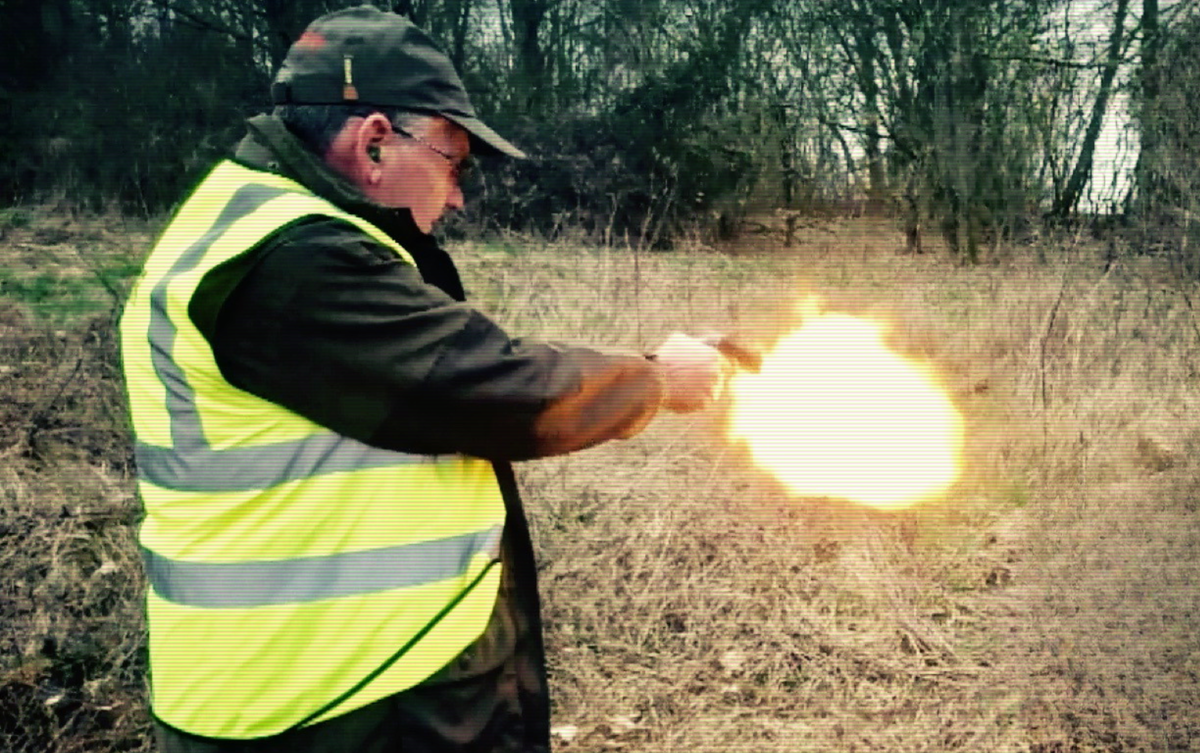
The fetid daydreams of your idle taxidermist would not do justice to Hampshire’s roadsides. Creatures of all stripes, in various states of decay — rats and squirrels, pheasants and owls, wood pigeons and badgers — line the way. On autumnal nights, deer often join them: barking muntjac scramble across the road at dusk like dogs leaping for invisible circus rings, though never as fast, shattering their hips and spines on SUV bumpers or, worse, getting stuffed like laundry into rectangular car grilles. Fallow and roe deer do the same, crushing their bones, ribs, antlers and skulls with even greater force.
Away from the road, approaching a field on a cold, dewy morning, these animals are a majestic sight. They are also the ur-symbol of wildness in our manicured countryside, wilful descendants of those beasts speared by Neolithic man, trapped by Roman Britons, hunted by the Normans, and kept as curiosities in Victorian deer parks. Each individual has its own personality, Dr Becks Spake, a forest ecologist at the University of Southampton, tells me. Most are shy; some are irrepressibly curious.
That’s getting to be a problem as deer populations climb in select locations around the UK and start to appear in places they probably shouldn’t. In June 2025, revellers spotted a fawn lurking outside a Manchester nightclub. In May of this year, a female muntjac trapped itself on an escalator in Norwich’s Marks & Spencer, followed in August by the shooting of a large red deer stag after it bit a passer-by in Richmond Park. But it’s on the road where Britons often meet the country’s largest indigenous land mammals: up to 74,000 deer are hit by vehicles each year — though, since this figure dates from a 2003 survey, this is probably an underestimate.
If you find yourself in such an accident, you are not legally obliged to report it to the police — but you definitely should. If that collision occurs in northern Hampshire, you’ll probably meet a 62-year-old Irishman named Kevin Miskella. A deer stalker engaged by Hampshire and Isle of Wight Constabulary to shoot injured cervines by the roadside, Miskella will approach you in a high-vis coat and explain, in a gentle brogue, what he is about to do with the 12-bore shotgun, ear defenders and thermal imaging gear out of sight in his Land Rover Discovery. Once he is sure you understand, he will disappear up the road before firing two shots.
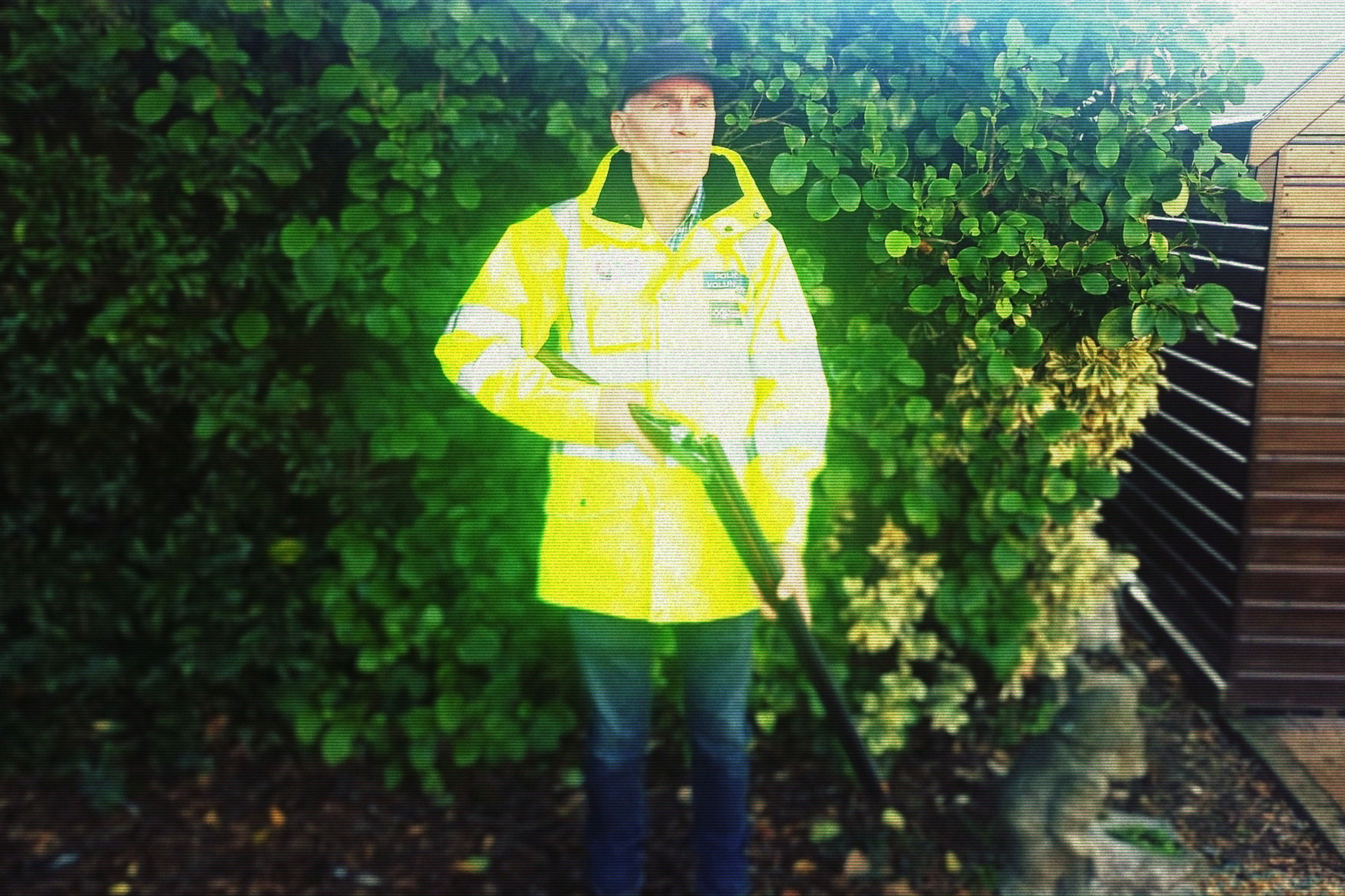
Miskella is a Humane Animal Dispatcher, or HAD, part of a scheme run by Hampshire Police since 2007. A small corps of stalkers, gamekeepers, farmers and livestock dispatchers, they attended roadside collisions involving deer 179 times in 2025, often in the dead of night, to prevent wounded deer from causing further accidents on Hampshire’s roads and, ultimately, to end the suffering of these benighted animals.
The scheme is now being rolled out by other police forces around the country, not least because it’s likely to save them time and money. As of 2025, the HAD programme saved the force £72,294.12 that would otherwise have been spent dispatching armed officers to the scene when they should be waiting to subdue the next bank robber or terrorist.

To unlock the rest of this article, become a paid member — with £5 off your first three months!