
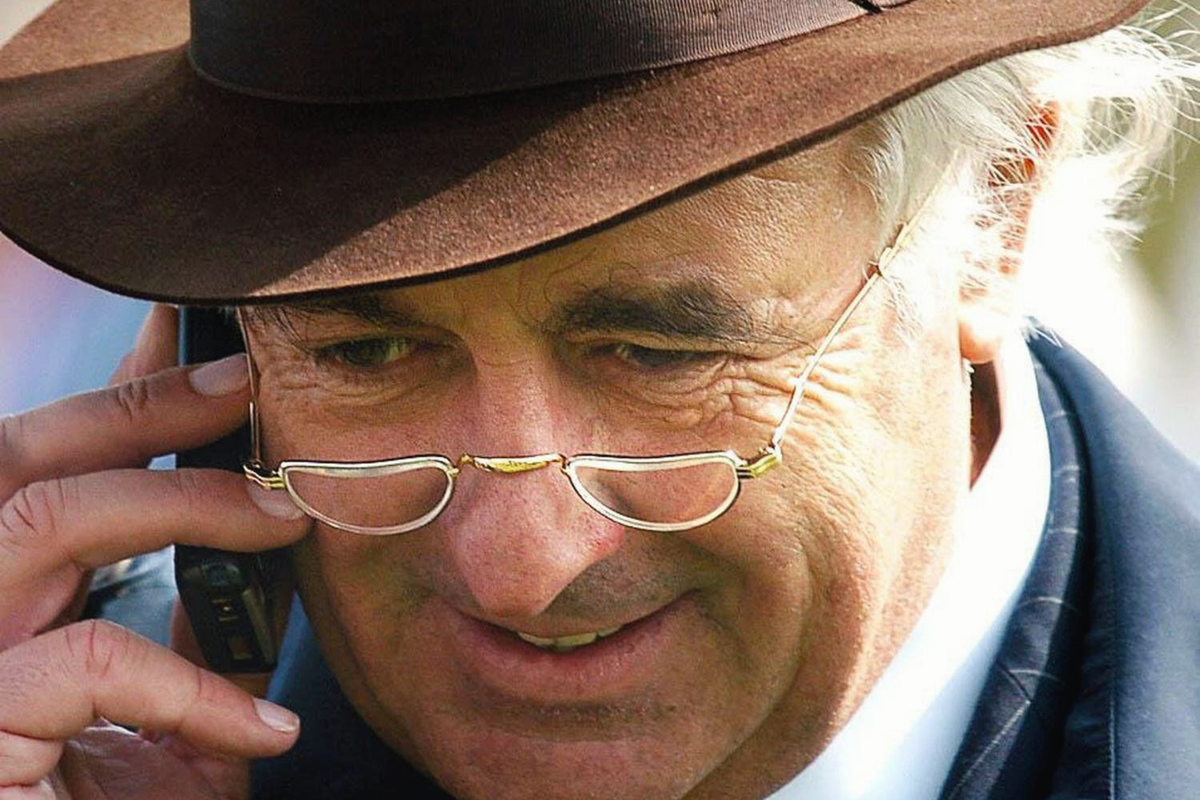
Last August, three blacked-out Range Rovers crawled through the high-hedged roads of Hampshire, drawing closer to the hamlet of Micheldever Station. Inside one of the cars was Irish billionaire John Magnier, the owner of every English acre that whizzed past his window. In his 70s, the Cork horse-racing magnate was a regular, if infrequent, visitor to his 4,000-acre estate, which, when he bought it, was home to a handful of large tenant farmers. But few relished his arrivals. Magnier had major plans for this green corner of southern England and the small band of locals who stood in his way.
Tessa Robertson, a soft-spoken former climate campaigner and consultant in her 60s, was among them. That day, her husband Adrian greeted Magnier’s convoy. A prominent local farmer himself, he’d known the Irish landlord for nearly eight years. The pair chatted amiably, Magnier as polite and as genial as ever, more agriculturalist than avaricious tycoon. But among the pleasantries, there was also a hint of that famous steel that made the Irishman one of the most powerful figures in modern horse breeding. “This town is going to be built, you know. I see it as my legacy,” he said.
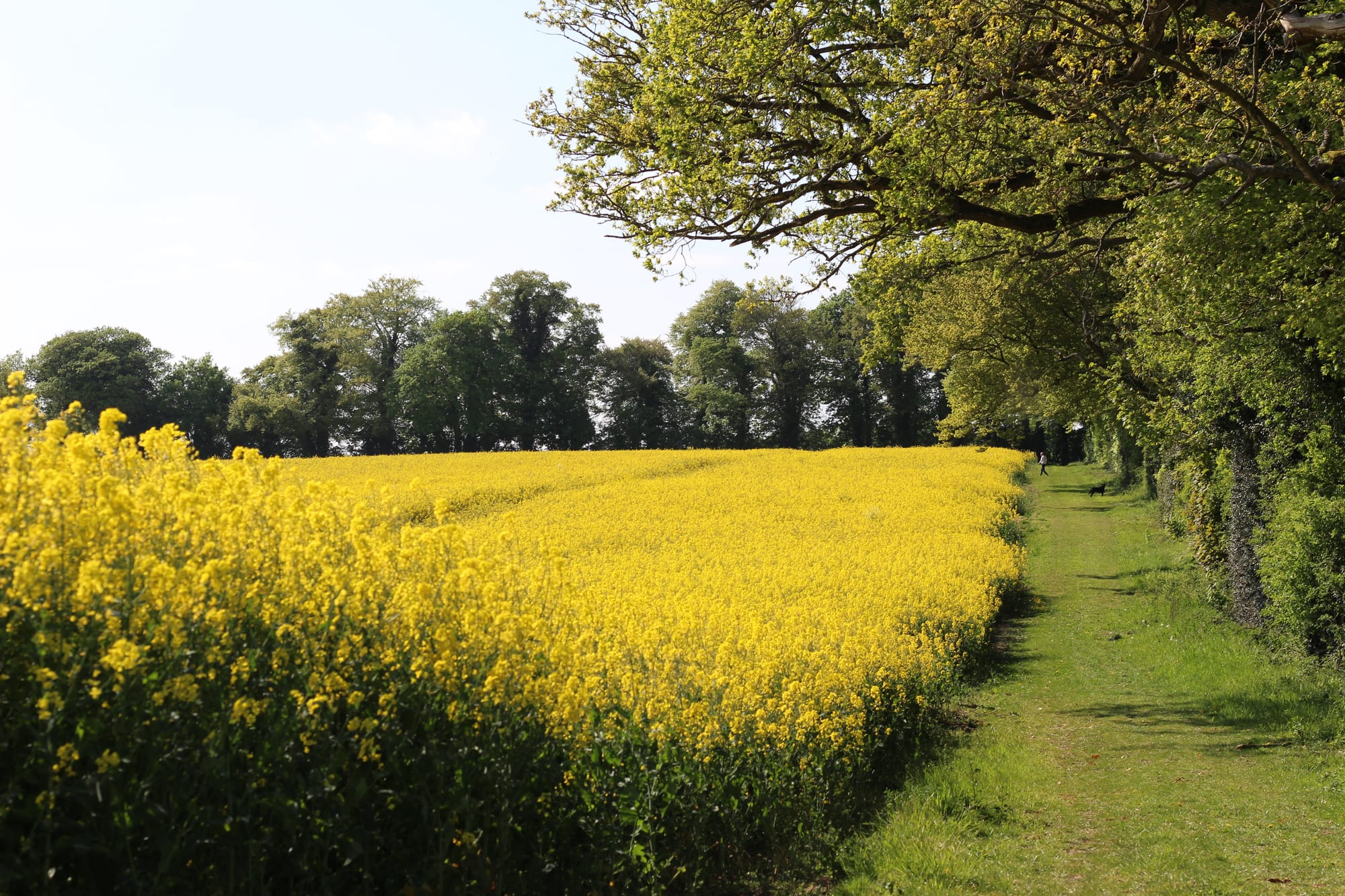
In Micheldever Station, a tiny parish where nothing much might exist if it weren’t for the railway connecting well-heeled Hampshirites with London, everyone knows about The Town. Sitting in a bucolic triangle between Basingstoke, Winchester and Andover to the east, the area has for decades teetered on the rim of urbanity, a little cleft of rural life where London professionals mingle with farmers, remote-working consultants and the posher sort of BBC journalist (James Landale, the corporation’s diplomatic correspondent, is a resident here).
But for over 30 years, the wheat fields of Micheldever Station have been under siege. Successive developers have dreamt of upending decades of quietude to build a new town. So far, these efforts have come to nought, lacking political support or collapsing in the face of determined opposition from Robertson and a dedicated campaign group. But Tipperary-based Magnier, with an estimated worth of up to €2.42 billion and one of the richest men in Ireland, is an entirely new kind of opponent: hard-dealing, stupendously wealthy and unfamiliar with being on the losing side.
The first time I visited Micheldever Station and met Robertson, on a cold April night a year ago, it felt as if Magnier’s bulldozers were already breathing down the necks of villagers. That was partly my fault. I had just published an article for an Irish newspaper on Magnier’s new town ambitions, a project on which he had partnered with Michael O’Flynn, a prominent housing developer from Cork with a considerable student housing portfolio in Britain. The piece had caused panic among locals after it revealed that, as part of a bid to win backing for the development from a Labour government seeking new town designs, the scale had been increased significantly. The developers, I’d written, might now build something like 20,000 homes.
Robertson has for years been chair of the Dever Society, established in 1990 with the sole aim of opposing a new town in the area. Chairing the society meeting that night, she was a slight, grey-haired general-cum-inquisitor. There was a bitterness in her voice as she criticised Magnier’s plans, but also a sense of mystification. Why had this Irish billionaire, a man who sees himself as a farmer at heart, chosen this blessed plot for his new town ambitions?
At times, it felt like locals were all but ready to start digging trenches in the neighbouring fields. A prominent Liberal Democrat councillor, Martin Tod, who can trace his family back generations in Hampshire, told me the plan was akin to a hand grenade in the county. Václav Havel, the Czech anti-communist leader, was cited as a source of inspiration for campaigners.
Since then, the landscape has shifted slightly. In September 2025, Labour’s new towns taskforce rejected Micheldever as a site, recording concerns with water infrastructure. It means that the plan is in limbo, with Magnier and his development team now likely to seek support from Winchester Council, newly under pressure from central government to build more homes. If anything, this pressure could only intensify under prime minister Andy Burnham, who has promised the biggest council housebuilding programme since 1945.
Sitting in the village’s single pub, The Dove Inn, just outside the orbit of Magnier’s sprawling holdings, Robertson is bracing for the next round: “The only thing I'd like to say to him is, ‘So County Tipperary? How would you like it if some rich guy said he was going to build 6,000 houses right next to your house? Wouldn't you fight it?’”
In 1987, Magnier was named a senator in the Irish parliament’s upper house. A largely symbolic honour for the fiercely private businessman, the appointment was one among several announced that day, with playwright Brian Friel among the other nominees. A few years earlier, the Irish writer had published his masterpiece, Translations, about the 19th-century rendering by British mappers of Irish placenames into English. In the play, it is the residents of Donegal who feel dislocated, as money and power coalesce to turn ground that was once wholly familiar into something entirely alien.
You'll need to become a paid member to read the rest of this article.
Reports like this demand weeks of research, writing and editing — and our paid subscribers are what make that possible.
But here's the good news: for three months, you can join them by paying £4.95 a month to access everything.