
Even in the middle of Mexico’s cities, the road signs point to places hundreds of kilometres away: Tijuana that way, industrialised León over there, the beaches of Puerto Vallarta waiting somewhere far ahead.
Lately, new additions have appeared among the highway markers: distances to World Cup stadiums. As I leave Guadalajara — one of the tournament’s host cities — the kilometres begin ticking down: first towards Mexico City, then, as I veer north, Monterrey, some 600km closer to the US border.
Who, exactly, will be making these marathon drives between matches this summer remains unclear, though I imagine scenes of bacchanalia. Something akin to British fans deciding to drive to Marseille or Vienna to see their team in an away game. Best of luck to them.
My route takes a different turn. “Ciudad de Zacatecas,” reads the sign as I pull into the city. “Población 150,000, Altura 2,496m.”
Zacatecas, the capital of the north-central state that shares its name, is one of Mexico’s colonial cities, established by the Spanish in 1546 after the discovery of a vast wealth of silver mines in the area. Today, the active mining industry has shifted to Fresnillo, an hour to the north, but traces of its history remain visible — in the Baroque architecture and in the disused mines now repurposed as tourist attractions.
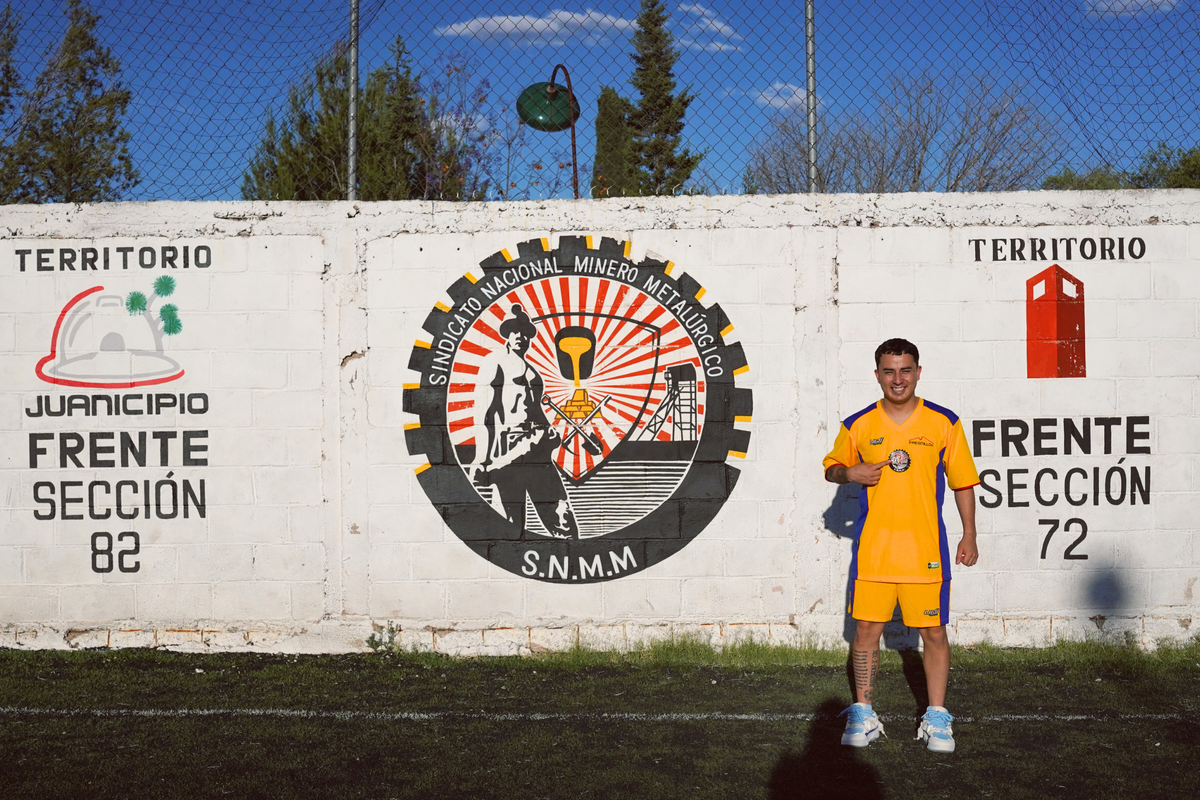
Another echo of the mining industry lingers, too, and it’s on full display when I arrive at Estadio Carlos Vega Villalba. Streams of supporters pour towards the stadium in jerseys proclaiming their allegiance to “Mineros de Zacatecas”: the Miners of Zacatecas.
Veracruz, Gulf of Mexico, 1825. Four boatloads of English migrant workers, most of them Cornish, arrive on the shores of the newly independent Mexico port and tumble out into the humid, tropical city. The state of Veracruz dominates much of the country’s eastern coastline and its port city of Heroica de Veracruz has long served as a meeting point of Mexico’s many cultures and identities: indigenous, Afro-Carribean, Spanish, and now British miners.
Behind the men comes the machinery: 1,500 tons of engines and pistons, shipped from Falmouth and destined to travel across ill-prepared mountainous roads to the central state of Hidalgo. The convoy is following the route of an expedition that set off from Liverpool more than a year before, a reconnaissance mission of the Company of Adventurers in the Mines of Real del Monte. Or rather, most of it is. Twenty of the adventurers succumbed to disease almost as soon as they arrived.
You'll need to become a paid member to read the rest of this article.
Reports like this demand weeks of research, writing and editing — and our paid subscribers are what make that possible.
But here's the good news: for three months, you can join them by paying £4.95 a month to access everything.