
As a rule, life in the Hampshire town of Chandler’s Ford follows the familiar rhythm of suburbia. Its 20,000-odd residents go to the Waitrose or big Asda. They take the bus into Southampton or Winchester. They walk home from school along leafy pavements.
There are few interruptions. Not since that morning on 13 September 2007, when marksmen from the Metropolitan Police shot and killed two men attempting to rob the HSBC.
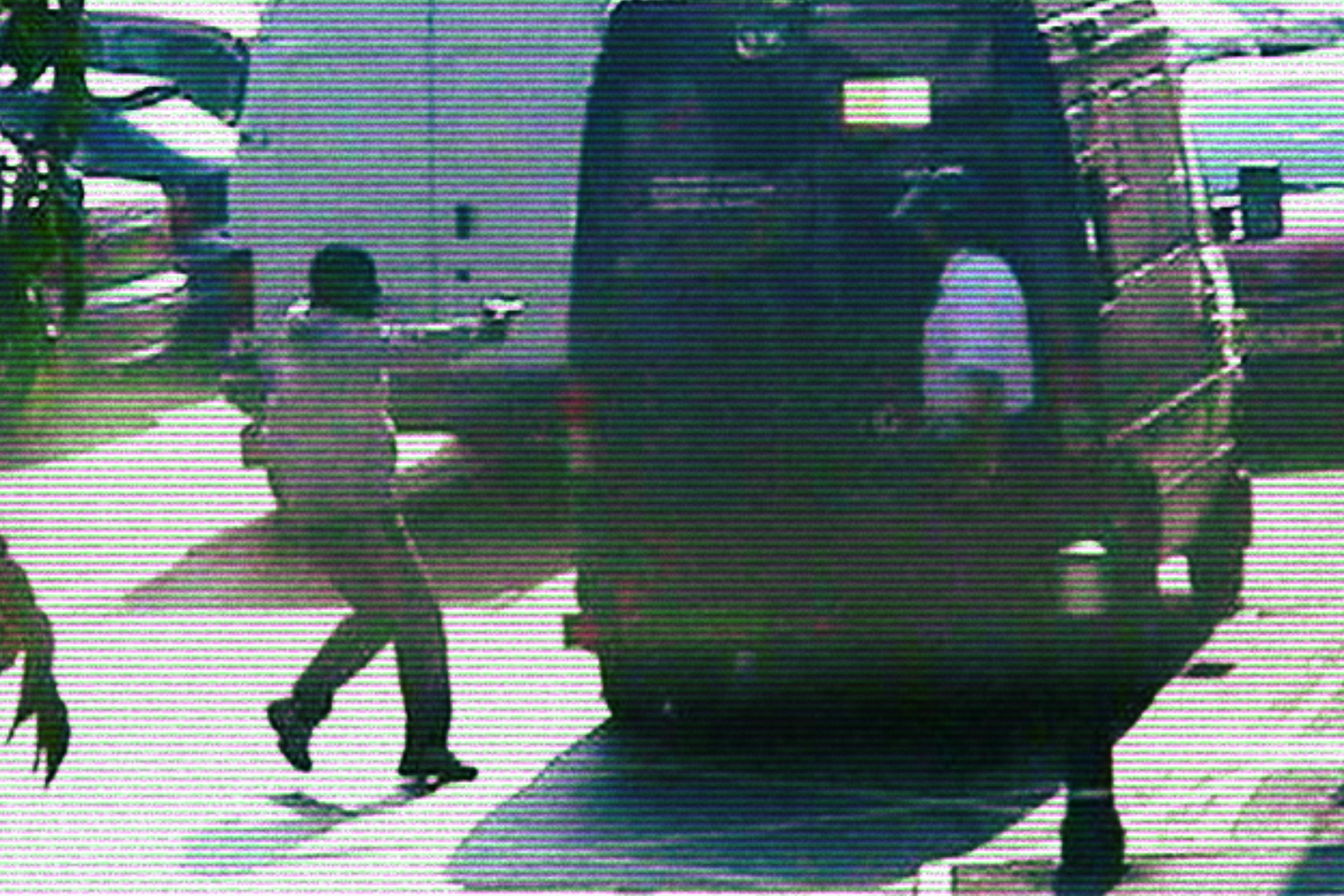
Just after 10am, Mark Nunes stepped out of a stolen Volvo estate, pulled on a mask, and ran towards a G4S security guard outside the local bank branch. He had a gun. He had a plan. What he did not know was that armed officers from the Met’s CO19 unit were already in position. Some were concealed in public toilets just metres away; others watched from flats across the road, rifles trained on the scene below.
"My heart was racing,” one sniper recalled. “I felt like I'd just run a hundred metres.” He was scared, but stayed composed.
Nunes, 35, had his gun raised but was in front of the guard. Any shot might hit the man holding the cash box. The marksman waited a few moments, and Nunes still had his gun to the guard’s head. “I squeezed the trigger and fired one shot.”
The bullet hit Nunes in the chest and he collapsed. His accomplice, Andrew Markland, ran forward and grabbed the dropped weapon. A second marksman fired. Markland fell, moved, and the sharpshooter fired again. Amid the chaos, their getaway driver fled.
At that moment, a short distance down the road, I was in my second week as a big-bagged Year Seven at secondary school. Almost 20 years on, the texture of that day — fair weather, fear from the adults and excitement from the children as we were placed under lockdown — has shared the fate of all memories, with recollections taking on the surreal: whispers about teachers holding hands; rumours the headteacher had got hold of a shotgun.
This is partly due to the passage of time. It is also because this kind of thing doesn’t really happen any more.
“It was almost nostalgic,” recalls one officer involved in the day’s events. The Chandler’s Ford robbers weren’t simply doing the most exciting thing to ever happen in my town; they were bucking a trend. Even back then, bank robberies were in decline. Today, they appear to have vanished. Speak to the police or those they once hunted, and everyone agrees it’s a dying trade.
Almost everyone, that is.
Bonnie and Clyde, John Dillinger, and the Brink’s-Mat crew are distant memories now. The most recent official count, by the British Bankers’ Association (BBA), found there were 66 bank robberies in 2011, a 90% fall since 1992. Now, they’re so rare that no national body bothers to count them. UK Finance, the successor body to the BBA, doesn’t collect data on bank robberies any more. Nor does the Crown Prosecution Service.
So, Dispatch decided to find out.
Through a series of Freedom of Information requests to police forces across the country, we have pulled together a picture of the last 15 years of bank robbery. Our findings reveal a trade at extinction levels.
From 2010 to 2025, the number of bank jobs in the UK has fallen by around three quarters. In all, we found evidence of just 23 bank jobs taking place in 2025, spread across the 31 forces that hold data.
The decline can be split into eras. In 2010, the average force could expect around four bank robberies each year. By 2015, this had fallen to 1.5 per year. Then, from 2020 onwards, the average has fallen below a single robbery a year for each force.
So, where did all the bank robbers go?
Sticking up a bank sounds quite easy, at least the way Noel “Razor” Smith describes it. Get yourself a gun, a mask, a bag, a couple of cars, three friends and you’re in business.
Planning a specific job, he says, is a recipe for getting caught. Better to scope them out as you go about your day-to-day life, working up a list of 20 or 25 potential jobs in your head. Then, when someone says today’s the day, you can compare notes. The ideal target has multiple tills, a viable getaway route, and doesn’t have a double layer of doors that can trap you like an airlock.

You'll need to become a paid subscriber to read the rest of this article.
But here's some good news...
Our summer sale is live, making it the perfect time to join!